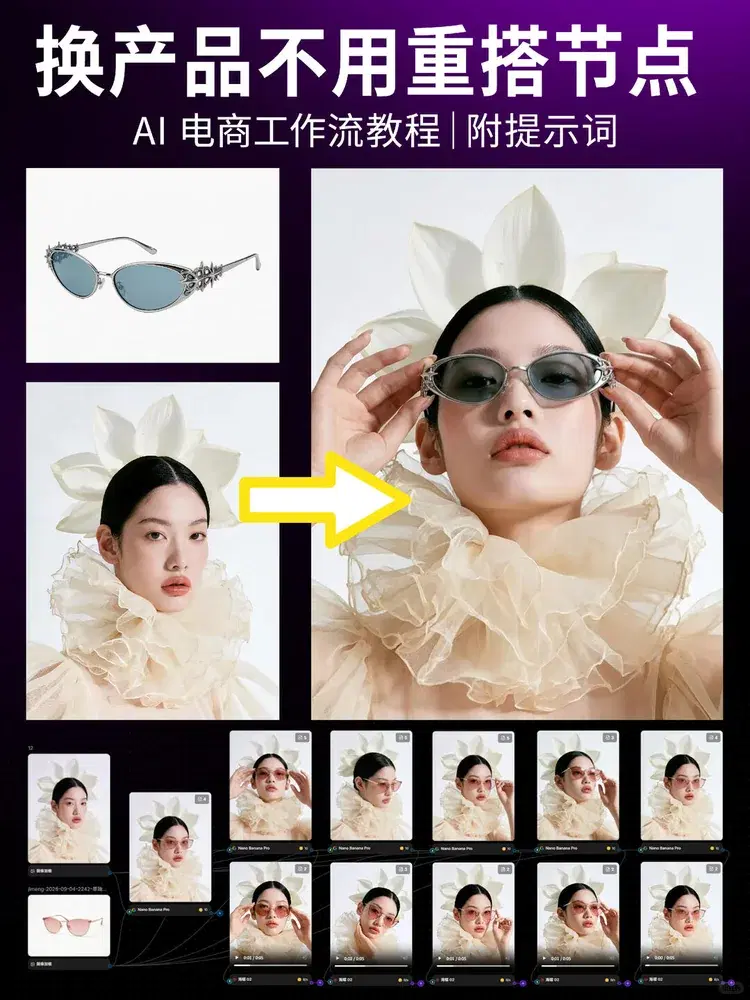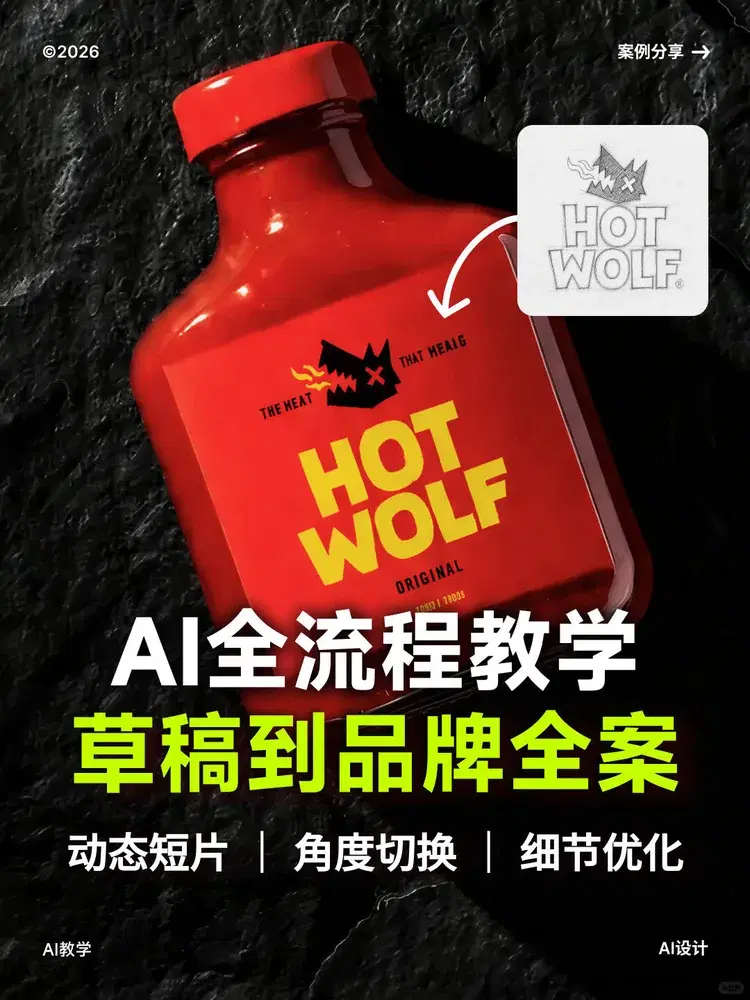

官方教程
本指南不按场景组织,而是系统地讲解 YouArt:功能架构、核心交互逻辑,以及每项能力的正确用法。
适合人群
- 初次使用 YouArt 的用户
- 希望真正理解「Agent 工作流」的创作者
- 把 YouArt 当作长期生产工具的用户
为获得最佳体验,建议使用 Google Chrome 浏览器。
- 第 1 章
Understanding Workflows: the Canvas and Node System
After this chapter you can read a YouArt workflow at a glance - what each node holds, what a connection means, and how to branch without losing earlier results.
阅读本章 → - 第 2 章
Language Models and Agent Invocation
After this chapter you can describe an idea in plain language, let the Agent build the nodes, refine them without losing the originals, and start from a preset workflow guide.
阅读本章 → - 第 3 章
Image Generation: Text-to-Image and Image Editing
By the end of this chapter you can generate an image from text, edit or branch from an existing one, and fuse several references into a single node.
阅读本章 → - 第 4 章
Video Generation: Text-to-Video and Image-to-Video
You will finish this chapter able to choose a video model for the shot you want and build both text-to-video and image-to-video nodes, including start and end frames.
阅读本章 → - 第 5 章
Specialized Tools for Images and Video
After this chapter you can repair an awkward angle, redraw a single detail, split a storyboard grid and sharpen a clip without rewriting your prompt.
阅读本章 → - 第 6 章
Asset Management and Workflow Folding
After this chapter you can turn any group of nodes into a saved, categorised asset and fold finished steps away so the canvas stays readable.
阅读本章 → - 第 7 章
Multi-Node Parallelism
After this chapter you can keep building on the canvas while earlier nodes are still generating, running several tasks at once instead of one at a time.
阅读本章 → - 第 8 章
Publishing and Community Engagement
Turn a finished node into a published template and decide how much of your creative process other people get to see.
阅读本章 → - 第 9 章
Community Case Studies
Watch how independent creators build ads, films and viral clips in YouArt, then publish your own work so its workflow is reusable too.
阅读本章 →