Wide coastal reveal
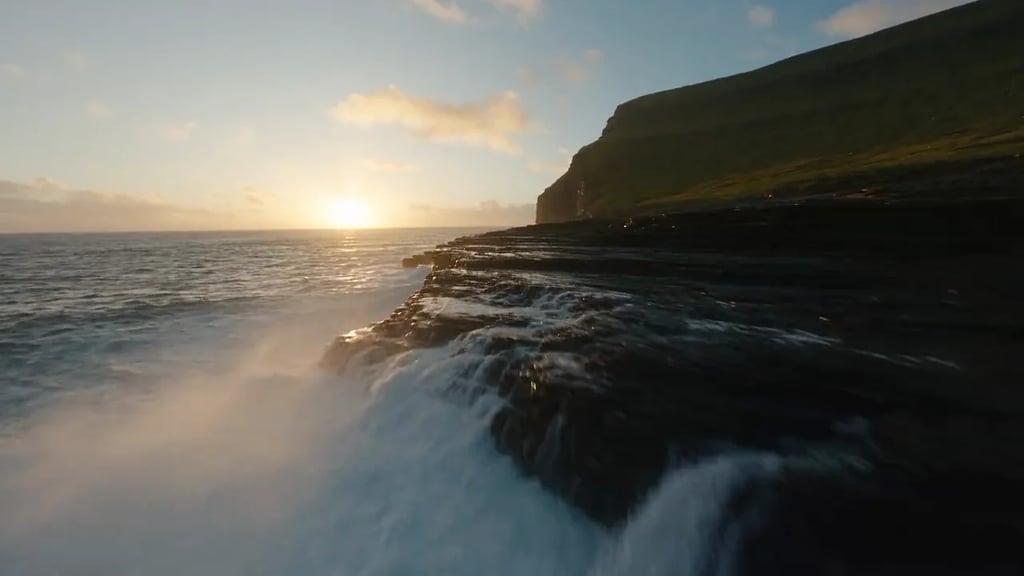
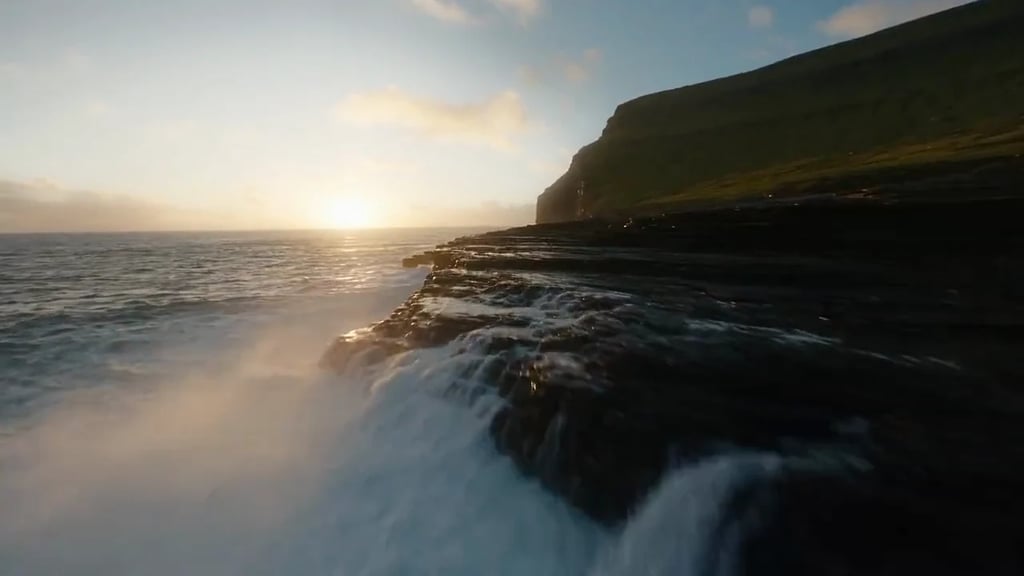
A 2.39:1 frame that slides in and out around a sunset coastline.
Give your footage a cinematic frame. Choose a ratio, refine the composition and bring the bars in or out with smooth animation.
Drag or use the middle mouse button to pan. Scroll to zoom. Shortcuts work when the preview is focused.
Drop a video here
MP4, MOV or WebM · up to 60 seconds · 200 MiB
Move the picture vertically within the area concealed by the bars.
Each bar: 12.8% of the frame
Hover to play, drag to compare, then try the framing on the same clip.
A 2.39:1 frame that slides in and out around a sunset coastline.
A 2.35:1 letterbox around a window-lit portrait.
Start with 1.85:1, 2:1 or 2.39:1, or set your own bar height.
Move the picture vertically beneath the black bars.
Slide the bars in, out or both, with adjustable timing.
Download the framed clip as MP4 or WebM, with optional audio.
A letterbox changes the visible frame and the attention it gives a subject. Choose the composition first, then time the movement of the bars around a reveal, a change of mood or the end of a scene.
1.85:1 gives a 16:9 clip a modest matte, while 2.39:1 creates a wider Scope composition. The menu also includes 2.35:1, 2.40:1 and other framing presets. Those ratios are distinct: 21:9 is approximately 2.33:1. A wider selected ratio means taller top and bottom bars. Custom height sets each bar as a percentage of the full video height.
Inspect faces, the horizon, text and subtitles before choosing a wide matte. Picture position moves the source up or down within the space concealed by the bars. It does not track a subject automatically. The bars cover the picture inside the existing frame; no extra canvas or missing image content is generated.
Entrance brings the bars from the frame edges to their chosen height. Exit slides them back out. Set an entrance delay from the start of the clip and an exit delay before its end, then choose each transition’s duration. Smooth easing starts and finishes gently; linear easing moves at a constant pace. Scrub the preview to check the same animation at any point.
Choose an available format and resolution, then export a separate file. The bars are burned into the download, so viewers see them without an overlay or editing project. The output keeps the original frame shape and may be downscaled to the selected resolution. Preview mute does not remove the exported soundtrack; use the audio option in download settings.
Choose a local video or try an example. You can edit a local file without uploading it or creating an account.
Pick a ratio or custom bar height. Adjust picture position, then set the entrance, exit and timing while watching the preview.
Choose MP4 or WebM and whether to keep audio. Export the letterbox effect into a new video file.
Add bloom, film grain, halation and other finishing effects.
Balance exposure and color, then shape the look with curves, wheels or a LUT.
Increase resolution and enhance detail with Topaz Video AI.