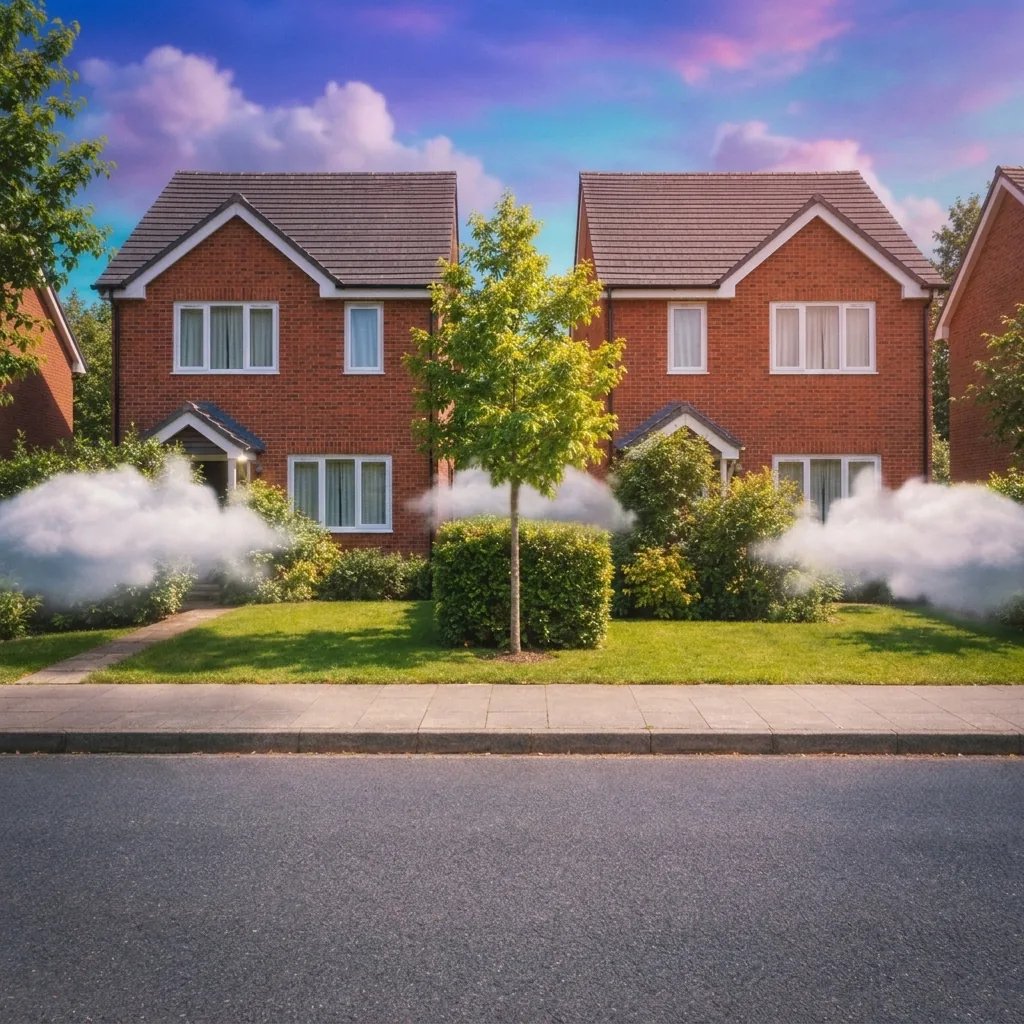

- What does the 1970s filter do?
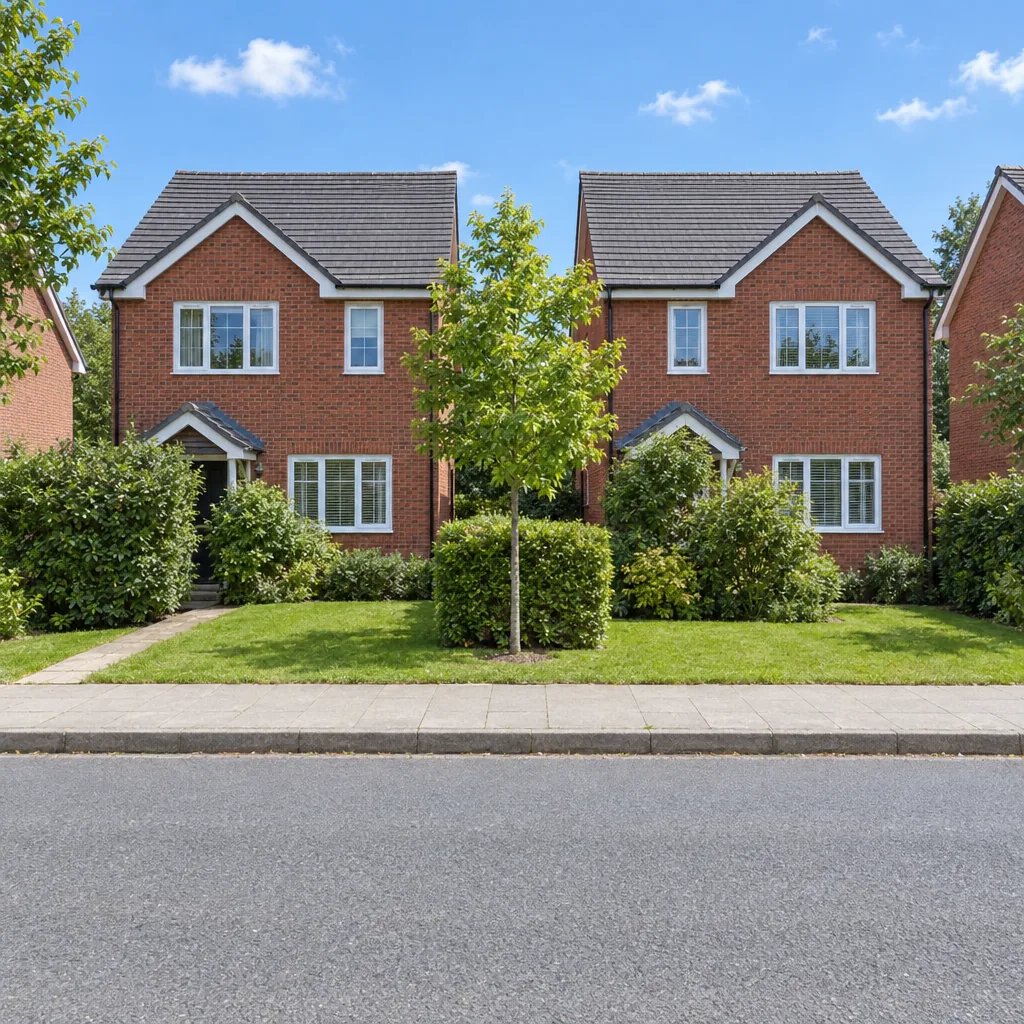
- It creates a new colour photograph graded the way a print from the 1970s looked: warm amber highlights against shadows that lean green and cyan, halation blooming around bright areas and light sources, visible fine grain, blacks lifted to a milky charcoal, restrained saturation with reds and oranges carrying furthest, mild corner falloff and the slightly soft focus of a period lens. Start from a written scene, an uploaded photo, or both. This page is the seventies only; choosing between other decades is what the retro art style page is for.
- Is this just a sepia filter?
- No. A 1970s photograph is not brown — it is a relationship between two ends of the frame: warm amber in the highlights, cool green and cyan in the shadows, with saturation pulled back rather than pushed. A sepia filter flattens everything into one tint and loses exactly that split, which is why the cheap version of this look never convinces anyone. The generator is instructed that a sepia or monochrome wash is the wrong result, so what comes back stays a colour photograph.
- Will it put me in seventies clothes?
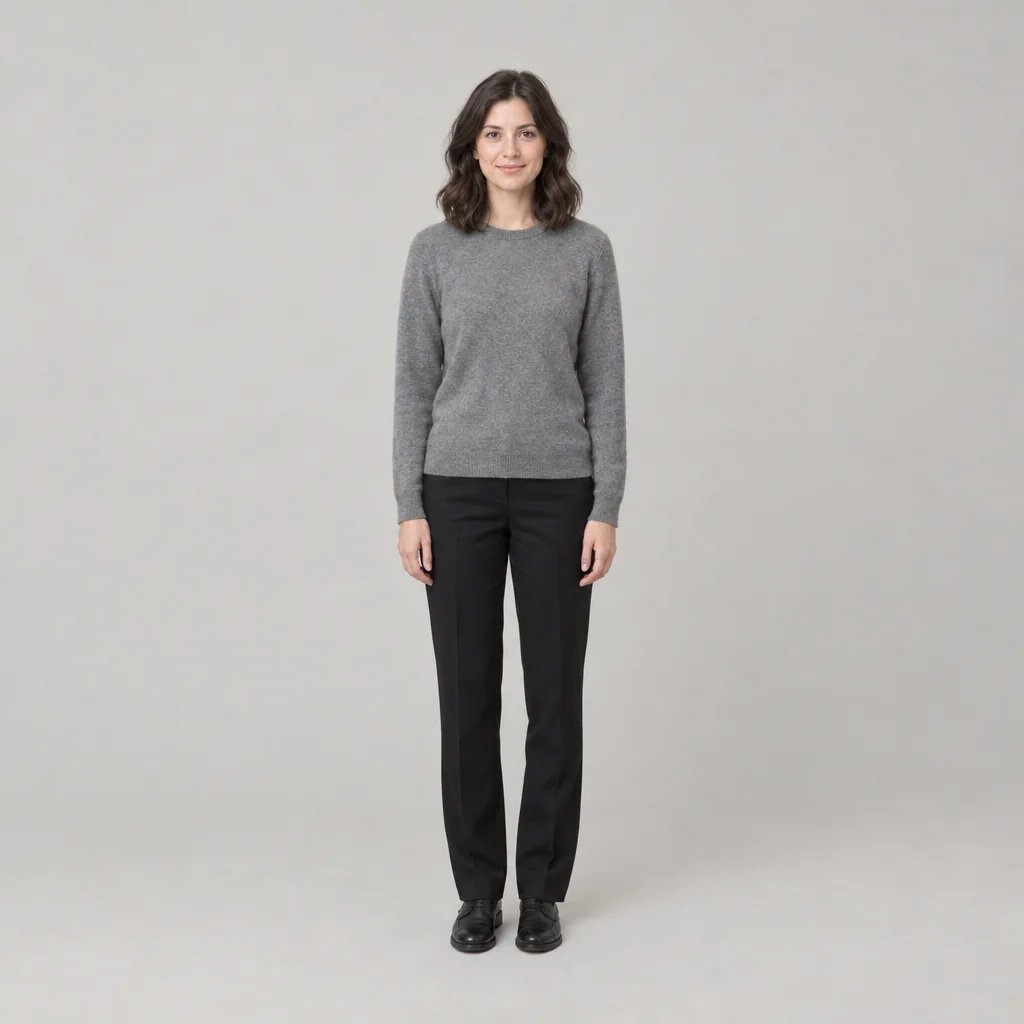
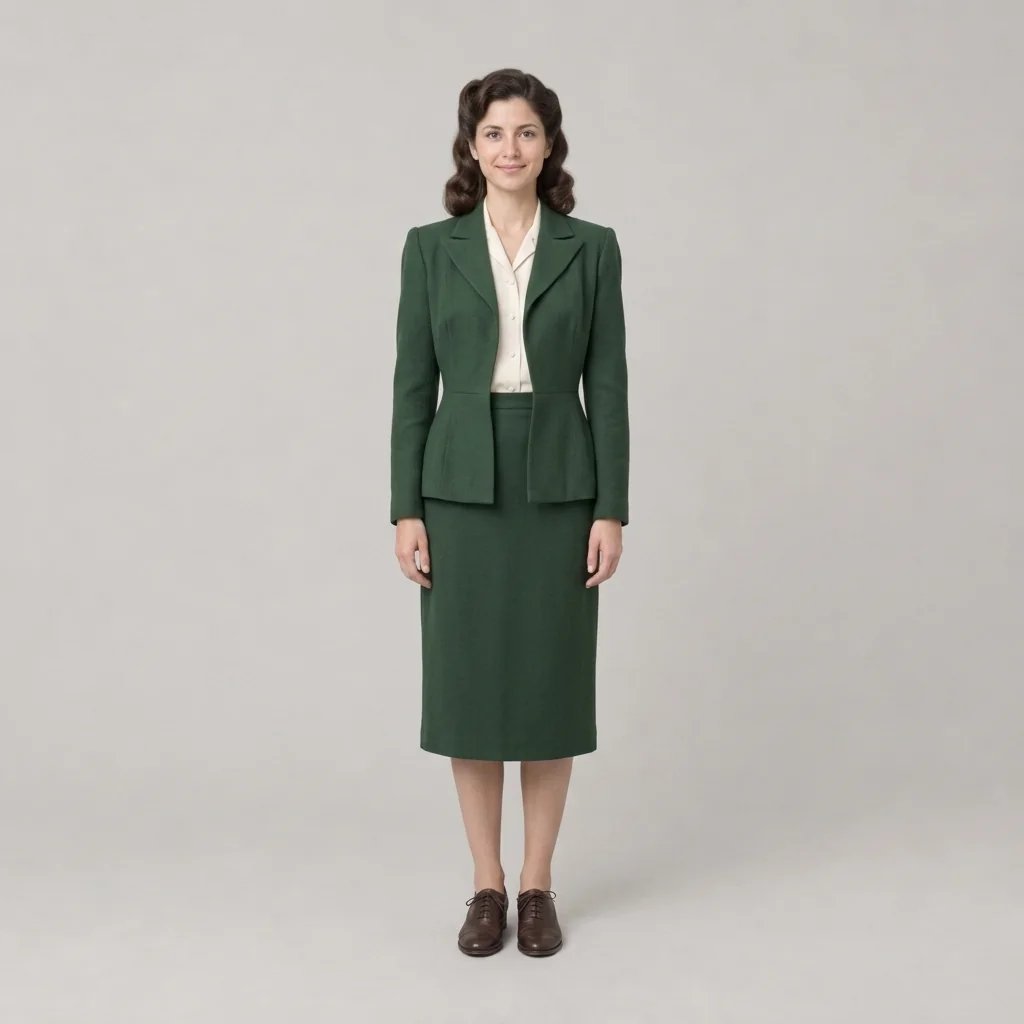
- No, unless you ask for it. This is a photographic grade, not a costume: clothing, hair and setting are left exactly as they are, and nobody gets restyled into period fashion on the generator's own initiative. If you do want flares, a wide collar or a period haircut, name them in the prompt and they are treated as part of the scene you asked for.
- Can I use my own photo?
- Yes, and a written scene works on its own too — a reference photo is not required. With a photo attached, the colour, contrast, grain and lens character change while the subject, their clothing, hair, expression and the setting stay as they are. It generates a new image rather than editing your file pixel by pixel, so fine detail can shift a little; keep the original and check faces at full size.
- How much does one 1970s photo cost?
- Each run costs 8 credits and returns one 1K square image. Every variation is another run, so it pays to settle the subject, the light and how strong the grade should read before generating again.